Carex albicans

from $14.00
Coming Soon

Carex albicans | white-tinged sedge

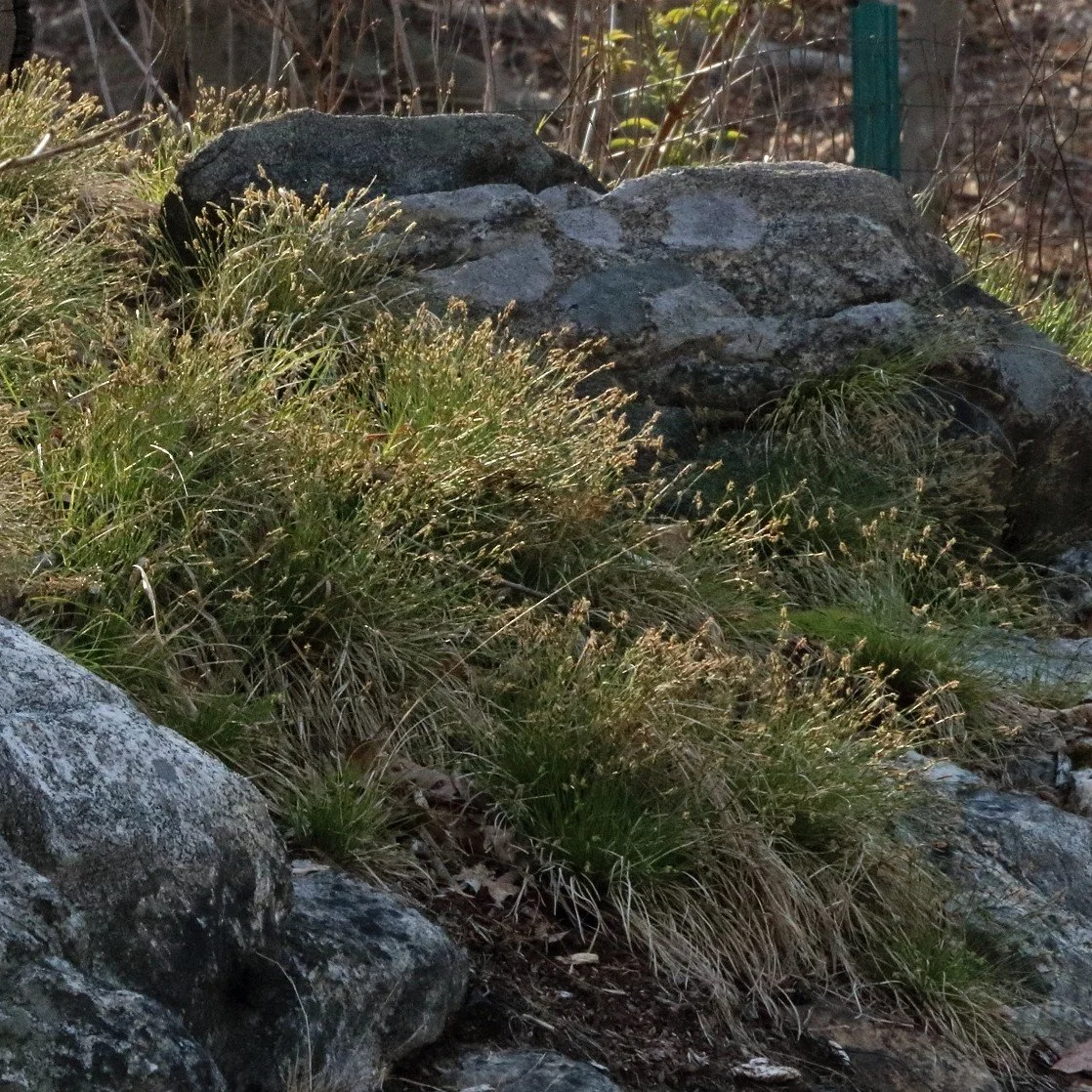
Carex albicans is a low-growing, clump-forming sedge that can slowly spread by rhizomes. This species has some drought tolerance and is often used when soils have a noticeable clay component. Useful in part shade or full shade as a base layer with flowering perennials planted throughout or mix with other sedges with various textures for a tough groundcover. Carex albicans has a fine texture, similar to Carex appalachica or Carex rosea. As a cool-season plant, white-tinged sedge will begin to green up and put on new growth very early in spring. The over-wintered foliage can be cut back, but it also can just be left in place as the new growth will eventually cover up any old leaves. Plants often flatten out after flowering, only to experience a fresh flush of leaves in fall, which will stay green into winter.

Container Size:

Carex albicans | white-tinged sedge

Carex albicans is a low-growing, clump-forming sedge that can slowly spread by rhizomes. This species has some drought tolerance and is often used when soils have a noticeable clay component. Useful in part shade or full shade as a base layer with flowering perennials planted throughout or mix with other sedges with various textures for a tough groundcover. Carex albicans has a fine texture, similar to Carex appalachica or Carex rosea. As a cool-season plant, white-tinged sedge will begin to green up and put on new growth very early in spring. The over-wintered foliage can be cut back, but it also can just be left in place as the new growth will eventually cover up any old leaves. Plants often flatten out after flowering, only to experience a fresh flush of leaves in fall, which will stay green into winter.

HABIT

Height: 12-16”

Bloom Time: spring

SITE CONDITIONS

Light: part shade, full shade

Soil: average to dry

CULTIVATION TIPS

Establishment: easy, no special requirements

Deer Resistance: high

INTERACTIONS

Wildlife Support: Sedges provide cover and are a food source for birds and mammals.

Other: The Carex genus is a host for many species of Lepidoptera larvae.

CONSERVATION

Native Range: Northeast